
Eat breakfast BEFORE drinking Coffee

A new study shows that people who do not get a good night’s sleep SHOULD EAT BREAKFAST BEFORE drinking coffee. That applies to almost everyone in Hong Kong, but especially to domestic helpers. Drinking coffee before eating breakfast messes up your blood sugar, and could have long term bad effects on your health. So eat breakfast first, then enjoy your coffee.
https://www.inverse.com/mind-body/science-reveals-the-perfect-time-to-drink-coffee-for-a-healthy-metabolism
Helpers in Agency Dorms will be tested for COVID-19
https://www.arrowes.hk/arrowbios/alodia-abarca-contract-finisher-aug-2020
Modified Enhanced Community Quarantine in Metro Manila (say that 5X fast)

The Metro Manila area is now under what is known as Modified Enhanced Community Quarantine. Public transportation is suspended with only company and private vehicles permitted AND they are carefully restricted.
WHAT DOES IT MEAN?
It means it is difficult for helpers to get to our agency partners to sign contracts and do medicals.
WHAT ARE WE DOING?
There is an old saying “If the mountain won’t come to Mohammed, then Mohammed must go to the mountain”. Our agency partners are using motorcycle couriers to take contracts to applicants in the Metro Manila area. They wait while they are signed, and then collect their documents such as passports etc and bring them back to the agency office. Copies of other docs are sent to them via what’sapp. Medicals will be scheduled in advance so helpers can arrange transportation and apply for the travel pass needed to cross the city during the MECQ.
HOW WILL IT HELP?
By focusing our recruiting on Metro Manila, we hope we can minimize delays in arriving in Hong Kong. After arrival helpers will still undergo 14 days quarantine and 2 Covid tests.
BOTTOM LINE
If you need a helper asap, check the bottom of the bios to see where the applicant lives. We have clearly marked the Metro Manila ladies. They should deploy significantly faster than those in the provinces.
Too Tired to Care
My staff passed me the note “Sir, please contact this helper. She gave her 30 days notice and the employer wants to know what they can do.” So I called - no answer; then I tried to find her on What’sapp - no account. Finally I sent her a text message. At 1 a.m. I received her reply “Sorry for the late answer Sir. I’m just off work, I work 6 a.m. to 1 a.m. daily.”
I didn’t need to ask “Why are you resigning?” It’s obvious. Don’t you agree. Leave comment.
My staff passed me the note “Sir, please contact this helper. She gave her 30 days notice and the employer wants to know what they can do.” So I called - no answer; then I tried to find her on What’sapp - no account. Finally I sent her a text message. At 1 a.m. I received her reply “Sorry for the late answer Sir. I’m just off work, I work 6 a.m. to 1 a.m. daily.”
I didn’t need to ask “Why are you resigning?” It’s obvious. Don’t you agree. Leave comment.
Too much hygiene opens the door to fungi
You might think that the more you clean, the less germy your home is.
That's what Laura-Isobel McCall, a biochemist at the University of Oklahoma, thought she'd find when she started comparing microbes between rural and urban homes in Peru and Brazil.
"We expected that all the microbes would actually become less diverse with urbanization, and that's not at all what we found for the fungi," she says.
In a new study in Nature Microbiology, McCall and her co-authors found that the fungal diversity was actually higher in urban homes, and it might be because of peoples' cleaning products and urban lifestyles.

NPR: So, You Cleaned Your Apartment. Get Ready For A Fungi Boom : Goats and Soda.
https://www.npr.org/sections/goatsandsoda/2019/11/06/776502362/scrubbing-your-house-of-bacteria-could-clear-the-way-for-fungus?ft=nprml&f=1001
Worker's Rights Amid the Chaos
Names marked with an asterisk* have been changed to protect identities.
Hong Kong, China - Maricel* and six friends, Filipina migrants who work as domestic helpers in Hong Kong, recently went on a day tour, travelling by bus across the border to Shenzhen, a Chinese city in the province of Guangdong known for its lavish malls and burgeoning tech scene.
Found this interesting article on how helpers are coping during the political chaos in Hong Kong.
Rugby and Domestic Workers
Every Sunday, Hong Kong’s streets and public spaces fill with the city’s domestic helpers. An estimated 390,000 foreign workers, virtually all female and most from either the Philippines or Indonesia set up camp on bridges, walkways and in parks on their one day off.
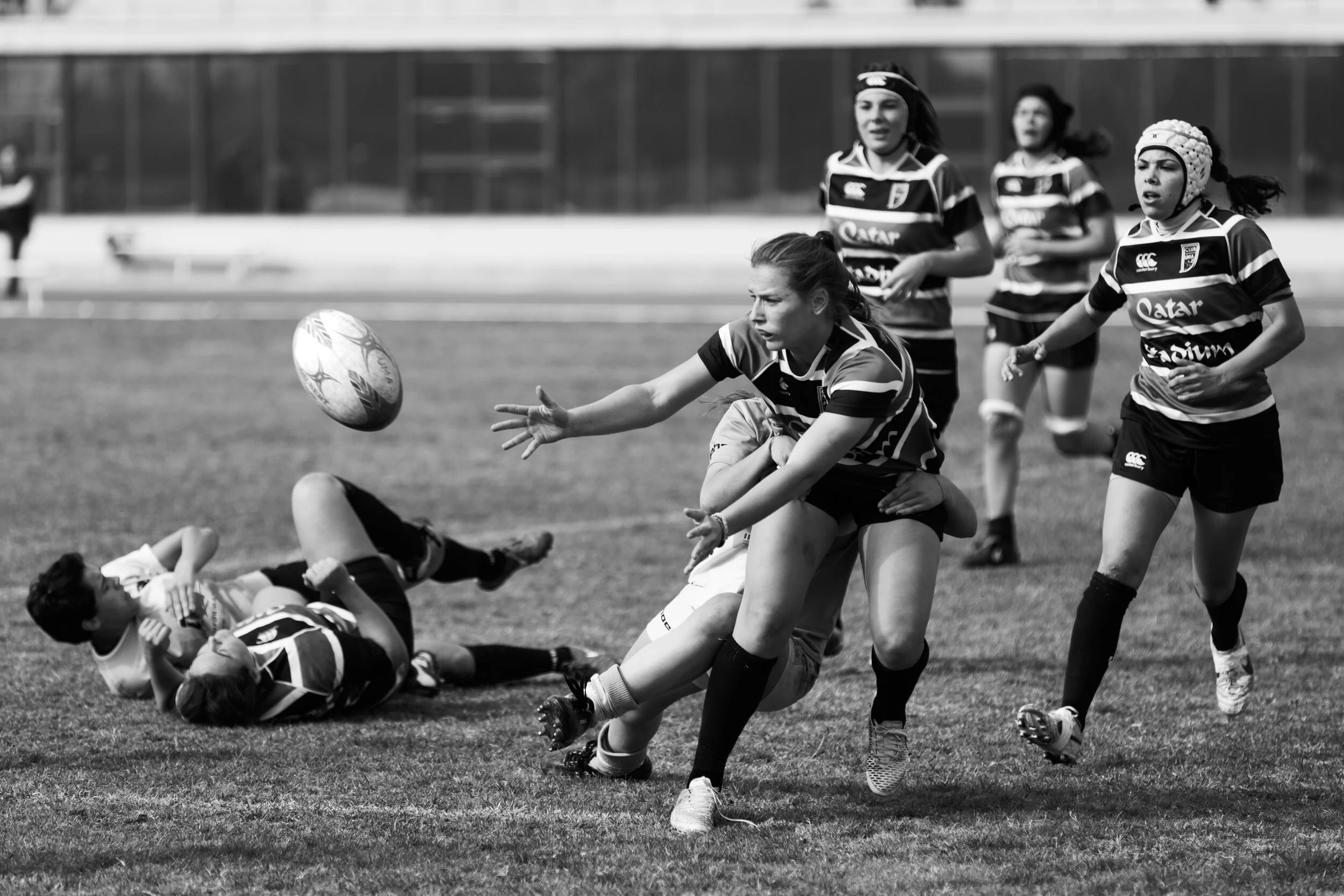
SCMP has an interesting article about domestic helpers playing rugby. Great exercise and also a great way to release your aggression after a hard week at work. Just feels good to tackle someone and throw them to the ground.
Minimum wage increase effective today
Here's an excerpt from the Labour Department announcement:
The Government announced today (September 27) that the Minimum Allowable Wage (MAW) for foreign domestic helpers (FDHs) in Hong Kong will be increased by 2.4 per cent, from $4,520 to $4,630 per month.
“Under the Standard Employment Contract for hiring FDHs, employers are required to provide FDHs with food free of charge. At present, the vast majority of employers provide free food to FDHs. Employers may, however, choose to pay a food allowance in lieu. The food allowance will be increased by $46 (or 4.3 per cent) from not less than $1,075 to not less than $1,121 per month.
The new levels of the MAW and food allowance will apply to all FDH contracts signed on or after tomorrow (September 28).”
https://www.labour.gov.hk/eng/news/press20190927.htm

Parenting hack to teach kids to pick up their toys
This Ridiculously Simple Hack Will Make Sure Your Kid Cleans Up Their Toys http://flip.it/euJ5SA
YAYA - a documentary
Watched this wonderful documentary about one helper, the family she served, and her family back home. Every employer should watch this film! We welcome your comments..
What did you expect???

Peter Bregman in his excellent book “4 Seconds” writes:
When I coach executives or mediate conflicts between leaders, each person is always amazed at how the other people behave. This has led me to a very simple conclusion: the problem is not us, and it’s not them. The problem is our expectations.
Hong Kong people expect Filipino helpers to behave in a certain way, and Filipino helpers expect HK employers to behave in certain ways, and both are surprised when the other doesn’t behave in the way expected. Most of the burden of adjustment falls on the Filipino employee, but if the relationship is going to work - then the HK employer also needs to adjust his/her expectations.
The next time your employee acts in a way that you don’t understand - pause to take a deep breath, and instead of getting angry or acting out in frustration - choose to be curious. Ask “can you tell me more about what you were thinking when you did that?” When we suspend judgement and use curiosity - we can begin to understand another person’s culture and see things from their perspective. Once we see things from their perspective we will know how better to communicate our expectations to them. It sounds like a lot of work, and it is, but it’s also totally worth it. Give it a try and let me know how it goes.
10 Smart Parenting Tips
Excellent parenting tips from The Good News about Bad Behavior by Katherine Reynolds Lewis
'Skip time-outs' and 9 other parenting secrets to fixing your kids' bad behavior http://flip.it/fnGtMl
Exhausted

This week I have had 4 helpers tell me that they plan to resign their posts. None of them have been at their job for more than 1 year. Three of them said the reason is "they are exhausted" and can feel their health beginning to run down. One of them is emotionally exhausted because the madam and po po criticize her work on a daily basis but in the almost one year she has worked for them she has NOT received one word of praise or encouragement. I mentioned this to one of our Arrow staff and she remarked "well this is HK Chinese culture".
At Arrow our goal for customers is to help them "find and keep a good helper", but some of our customers ignore our advice on managing workers from a Filipino cultural background, and the result is resignation. When given the choice of "my way or the highway" the helper almost always chooses "the highway" because she can't imagine being able to finish a contract under conditions where she does not receive enough rest or encouragement.
The average person needs 7-8 hours of sleep per night. Adult workers also need some personal and leisure time to bathe, care for their things, read the news, catch up with friends and family via Facebook, etc. Sometimes employers say "she's off work at 10 and starts work at 6 a.m. That's 8 hours for sleep." So no time for bathing, doing her beauty routine, checking in with her kids or significant other? No reading the news or checking in with friends on FB?
I know your house is busy, but as an employer - it is your job to manage the time and make sure your employees have reasonable rest time.
Another customer almost lost her helper of 6 years because they were arguing over the time she should be home on her day off. From 0-6 y.o. this woman has cared and helped raise the kids and there was a real possibility that she wouldn't renew over being late 15-30 minutes on her day off. Fortunately the employer decided to trust her and relax about the curfew and the relationship is intact and strong.
A little consideration will help you keep a good employee.
Employer Orientation June 2018
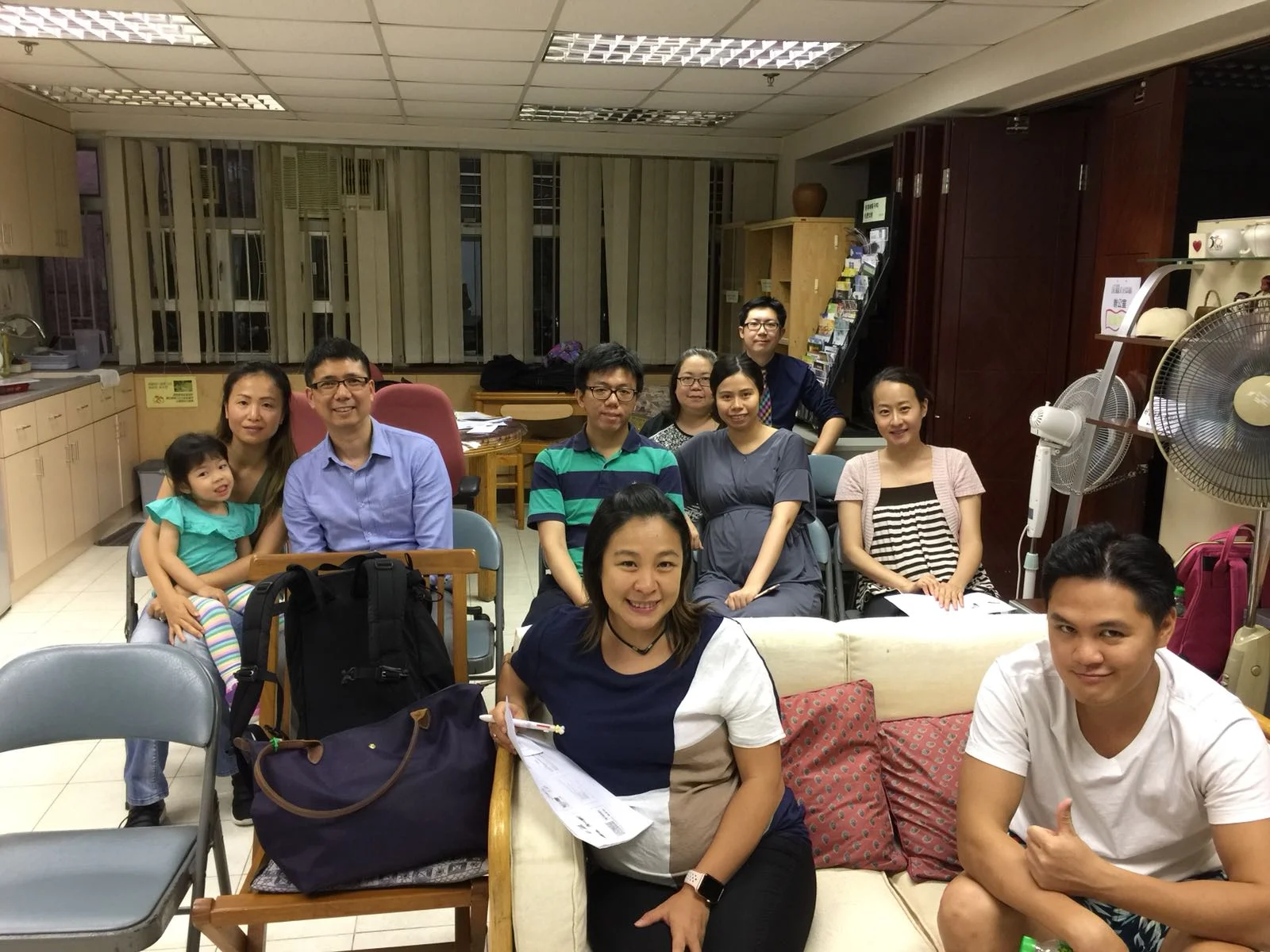
June 2018 Employer Orientation
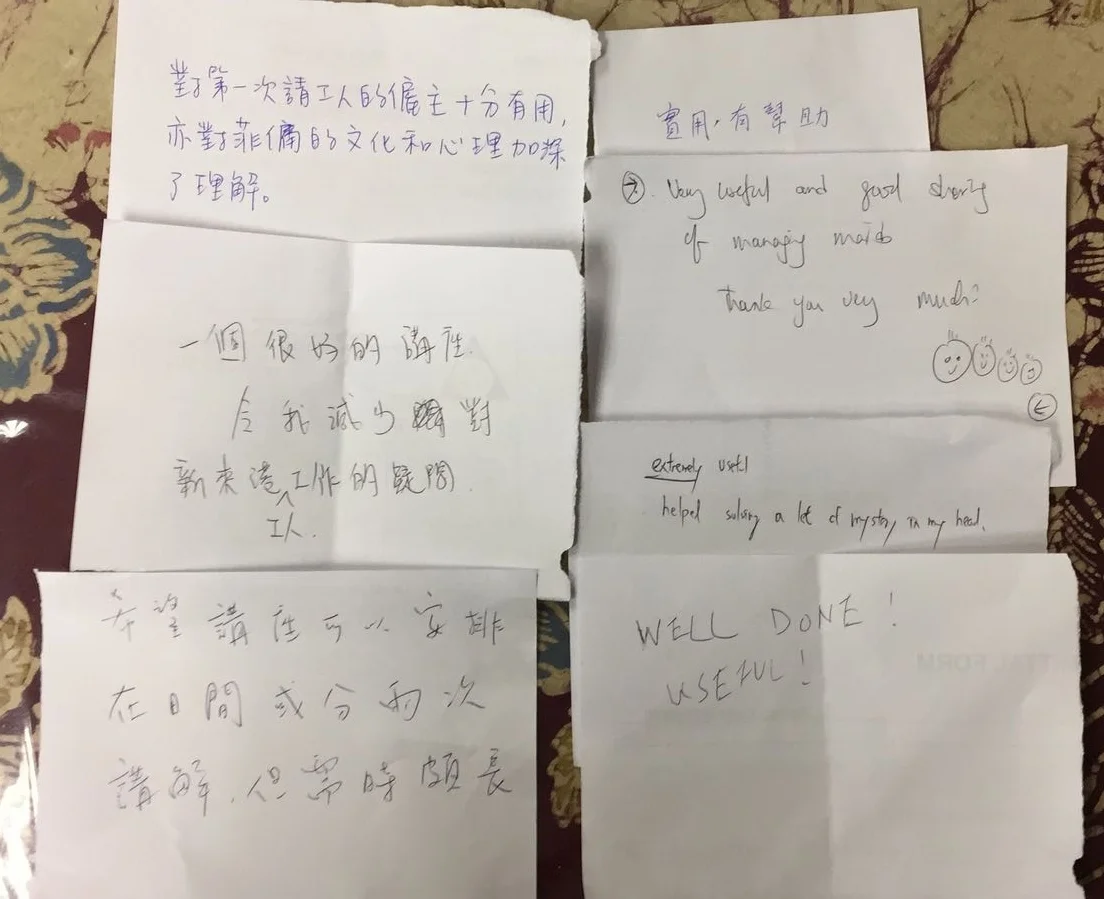
Kathy Lam of I-Care Family teaches our Employer Orientation, where customers learn how to better manage a Filipino worker. When you hire a helper you take on the task of managing a worker from a completely different culture and mindset. Our goal is to help you FIND AND KEEP A GOOD HELPER. If you don't learn some basics about their cultures and what motivates them, you won't be able to keep a good worker. Registration for classes is available on our homepage. Protect your investment, attend Employer Orientation!
Are your household chemicals killing you?

Let's be honest - some Hong Kong people are germaphobes "git pik". We've lived through SARS, Bird flu, pig flu, and we're waiting in fear for the next big epidemic. Because of this fear overuse of cleaning chemicals is common.
Domestic helpers who do most of the cleaning are exposed to high levels of toxic chemicals. Worse yet, the infants and toddlers in these families are playing on and laying on surfaces that have sprayed and wiped with harsh chemicals.
One mother explained to me that the reason her house must be totally disinfected is because her children suffer from asthma and frequent skin rashes SO any and all dust or allergens must be eliminated. She didn't consider that the cause of her children's difficulties in breathing and their skin problems might lie with the chemicals the helper uses everyday to keep the house clean.
A recent study from Norway found that frequent use of some household cleaning materials is as damaging to the lungs as smoking 20 cigarettes a day.
Overuse of common household cleaners can damage your lungs as much as smoking 20 cigarettes a day! Imagine what these chemicals may be doing to your children whose lungs are still not fully mature. There are many safe alternatives to using harsh chemicals in the home and I urge parents to do some homework and find alternatives that won't threaten the health of our family and those who work for us.
Joan from Tipsbulletin sent me this link on how to make your own homemade glass-cleaner.
There are many websites dedicated to this topic. Here's one. I hope your home will be both safe and clean...
Here’s a link to the Hometipsworld Network Facebook page.
4 Things to Do Before You Say "You're Fired!" OR Before Your Helper Resigns

Is your helper starting to lose heart? to drift away? Does it seem like she is not as committed to you and your family as she used to be? Are you thinking that maybe you should replace her before things go downhill even more? Replacing a helper is expensive, takes a large amount of energy and doesn't always improve things. Before you say "you're fired" try these 4 things first:
Demonstrate concern
Ideally, you should have regular meetings with your helper. Sit down at the kitchen table, have a cup of coffee and take a few minutes to ask "How is it going?", "Are you getting enough food? rest?" "Do you have any concerns?" If you notice a downhill trend in her performance you could ask, "Lately you seem more absent-minded than before. What's going on? Is there anything you want to talk about?" Be patient and give her a chance to share. Filipinos are fearful about complaining so you need to be open, non-defensive, and ready to listen OR she will clam up.
Provide Extra Training
Most helpers have worked overseas in other countries before, but the standards for hygiene and cleanliness do not compare well with Hong Kong. Good training will involve the following steps:
- Demonstrate how you want something done.
- Let them do it while you observe and correct their technique until they do it up to a basic acceptable standard.
- Set a time goal for how long the work should take, e.g., cleaning the bathroom should normally take 30 minutes. Don't expect them to work fast in the beginning. Focus on doing the work right, then gradually doing the work quickly. NOTE: There is no point in having time related goals IF you constantly interrupt them and call them away to do another task.
- Regularly inspect to make sure quality control is maintained and the new standard becomes a habit.
- Show appreciation for new skills. Filipinos love to hear "well done!"
Hong Kong has many classes available for helpers on Chinese cooking, infant care, etc. You may want to consider investing in your helper and sending her to outside training. She'll appreciate it and you will enjoy the dividends of your investment. Arrow offers classes through I-Care Family on Child Safety, Infant Care, etc.
Improve the Work Environment
One lady recently contacted me asking if she can quit after one week. She is eating the leftovers from the evening dinner (after everyone else has finished), sleeps on the sofa, works long hours AND the employer nags and criticizes constantly. I asked her what one thing she'd like to change and she said "the nagging and criticism". Some Hong Kong employers create a hostile work environment and then wonder why they have such bad luck and cannot keep a helper.
- Does your helper has some breaks during her workday to catch her breath and relax for a few minutes?
- How many hours a day does she work? If she is up at 6 a.m. and off at 10 p.m. that is a 16 hour day. Does that seem reasonable or humane?
- Does she have time to herself and time to contact her family?
- Does she have adequate privacy?
- Does she enjoy a full day off every week?
Be flexible and allow change
If your approach to supervising workers is "my way or the highway" then don't be surprised if your helper doesn't finish her contract. Filipinos come to work in Hong Kong because they need money BUT they finish their contracts only if they are happy with their work situation. An unhappy helper will easily quit, money or no money. A little flexibility in the how the work is organized and carried out can help you retain a good helper. Do you insist that she do the ironing at night after washing the dishes? Your helper believes this will give her arthritis and that you have ill intent toward her. Allowing her to do the ironing at another time in the day will show that you are flexible and sensitive to her concerns. Helpers want to work for employers who take their concerns to heart.
Hiring a helper is the easy part, learning to manage a worker from another culture is a huge challenge. At Arrow we have a goal: Help our customers FIND and KEEP good helpers. If your struggling in your adjustment with your new helper, try these 4 suggestions before you terminate or she resigns.
God bless! Happy Chinese New Year!
NOTE: I stole the basic idea for this post from an article in The Economics Times entitled "Five ways to deal with a disengaged employee". You can read their article here.
When you hire a mother

Most of our customers are couples expecting their first or second child and they naturally want to hire a woman who is "married" and "has kids". So it is no surprise that most of Arrow's helpers have children under 18 years of age. I conducted a short poll on our webpage and more than 90% of the respondents have children under 18 years of age. Our poll targeted mothers, so pure singles did not respond. Still, we know that great majority of helpers deploying through Arrow are mothers. I began thinking more about this after one of our helpers resigned her job. Her employer liked her very much and she also liked her employer. She resigned because she had lost touch with her 12-year-old daughter and felt that she had to go home and check to make sure her daughter was okay. I began to ask myself "what effect does the Hong Kong work schedule have on mothers who have left children behind in the Philippines? Is there anything an employer might do to help them keep their family ties strong? Have you ever thought "My helper is also a mother - when does she talk to her children?" "How does she keep her family ties strong?" Here's what we've learned -

How often do you speak with your kids?
Exactly 1/2 of respondents connect with their kids every day. They use Facebook messenger, Skype, Viber, etc. Some ladies I know get up at 4 a.m. daily to talk to their kids before they leave for school. They then go back to bed for a while and arise again to take care of their employers' children. Their commitment is amazing. The fact that 1/2 of respondents can contact their kids every day is, I hope, an indication that we have customers who are sensitive to the needs of their helpers and flexible enough to give them time each day to call their children. I wish I had asked the question "How often would you like to speak to your children?" I wonder about the other 50% - would they speak to their kids more if they could?

Most respondents connect with their children on a daily basis
What is the best time of day to contact your children?
Most respondents (87%) told us that the best time to contact their kids is between 6 a.m. and 10 p.m. Only 13% would prefer to talk to their children from 10 p.m. - 6 p.m. Unfortunately the prime times for helpers to contact their children are also busy times for employers and their children. The helper who takes good care of her employer's children may end up losing touch with her own kids.

What should I do?
The best time for your helper to talk to her children is during work hours... so what should you do? If you are super strict and won't let her contact her kids during work hours then she may lose touch with them. If she loses the connection with her kids - the chances of her resigning will increase. So what should you do?
Talk to her about her family needs
Discuss this issue with your helper? Ask her "When is the best time for you to talk to your kids? 2nd best time? 3rd? How long do you need to talk to your kids every day? 15 min? 1/2 hour? etc. Tell her what will and what won't work for you. If you agree to a time during work hours then make a clear agreement with her about when she will talk to her family and for how long. Afterwards occasionally monitor the situation and if you find she is not keeping to the agreement remind her about the agreement she made and tell her you that you expect her to abide by your agreement.
If your helper is able to keep strong ties to her family, then she will feel confident to continue working here in Hong Kong. If she has an employer who remembers that she too is a parent who loves and needs to stay in touch with her kids, then she will stay loyal and will hopefully continue to serve your family for many years.

How to handle the arrangement of food of your domestic helper

~by Kathy Lam Lai King
What does the contract say about food?
5(b). The Employer shall provide the helper with suitable and furnished accommodation as per the attached Schedule of Accommodation and Domestic Duties and food free of charge. If no food is provided, a food allowance of HK$1053 a month shall be paid to the helper.
It seems easy to understand: employers can decide if they want to provide their foreign domestic helpers with food, or give them food allowance. However, what is the meaning of “providing food”? A few years ago Arrow conducted internal research, and was surprised to find out that lack of food is the most common reason for a helper to quit.
When studied in detail, we found that there are big difference between employers and helpers about the interpretation of the meaning of “ providing food”. Conflicting understandings of what it means to "provide food" lead to actual conflicts and premature terminations.
Common Conflicts on Food
Hong Kong Employers | Filipino Domestic Helpers |
eat 3 meals per day, i.e. breakfast, lunch, dinner. | eat 5-7 times per day breakfast, lunch, dinner AND afternoon tea +/- morning snack before breakfast, morning tea, night snack. |
Assume they are reasonable employers because they provide the helpers food for breakfast, lunch, dinner. Believe that the helpers should buy their own snacks. | Assume their employer will provide food whenever she is hungry, that means provide 5-7 meals per day. |
Think helpers should eat whatever the employer provides. | May dislike the food the employers provide. |
Feel offended if the helper ask for food allowance.
| If the employer fails to provide them with enough food or they dislike the food provided they will ask for the "food allowance". They do not want to have conflicts with employers over food and this seems to them a reasonable alternative. |
Some employers want their helper to eat healthy. Other employers do not care if the food the helper eats is healthy & provide the helpers with food of poor nutritional value, e.g. instant noodle, congee, canned food, leftovers, food from McDonalds etc. | Some helpers don't worry about healthy or not, they just buy whatever is affordable and familiar. Other helpers like to eat healthy and eat fresh food, dislike the food left overnight, canned food and instant noodle. |
employers think all helpers should know where to find something to eat. If a helper does not know what and when to eat, she should ask the employer. | Some helpers are hungry because of they do not know what/when to eat, or they are afraid to eat if the employer does not tell her what to eat. Filipinos are shy to ask question related to food. |
How to avoid/resolve conflicts over food
- Employers should talk about food openly with applicants
- During the interview ask applicants if they have dietary restrictions and state clearly what you expect the food arrangements will be.
- If they are unhappy with the food, will you consider giving them a food allowance instead? If so, tell them so when you confirm to hire them.
- If you choose to provide food, please state clearly what kind of food she can eat, what kind of food she cannot eat without your permission, what and when to eat for breakfast, lunch, if they need to wait for your permission before they can eat.
- If you choose to give a food allowance please give the allowance at the beginning of the month, not at the end of the month, so they have money to buy food.
- Respect their choice of food
Some employers and helpers like to eat healthy, some employers and helpers do not care if the food is healthy. If you give your helpers food allowance, you may advise them to eat healthy, but need to respect their choice on food. Helpers should not be picky about the food provided by the employer. If it is inadequate or not enough they should tell this to their employers and not be shy.
- Provide some snacks at home, so the helper can eat when they feel hungry.
Learn more insights on how to manage a Filipino worker by attending our Employer Orientation Class (僱主裝備班). You will learn about the common problems that arise between employers and helpers and how to prevent and resolve them.